Back pain treatment when you’ve been told your only options are “learn to live with it” or spinal surgery.
You’ve tried physical therapy. You’ve tried epidurals. You’ve tried chiropractors, massage, acupuncture, and anti-inflammatories that stopped working years ago. Your back still seizes when you bend, aches when you sit too long, and wakes you at 3am no matter which position you try. The treatments that used to help don’t help anymore. Before you consider fusion or laminectomy, there’s an approach between “manage it forever” and “operate on your spine.”
What’s actually happening inside your spine
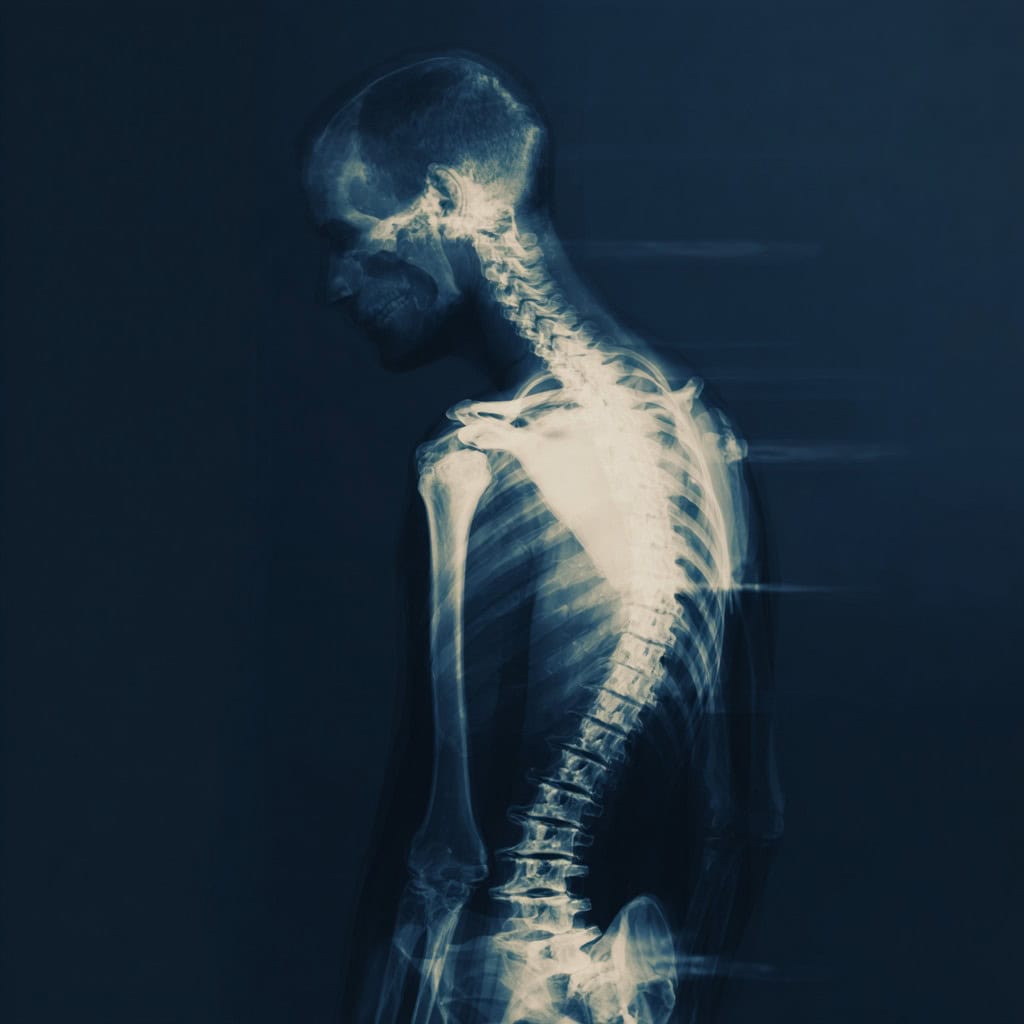
Back pain isn’t one diagnosis. It’s a symptom that can come from degenerating discs, facet joint arthritis, stenosis, sciatica, or inflammation that won’t resolve. Your spine is a complex structure of vertebrae, discs, joints, nerves, and muscles. Understanding which component is causing your pain determines what can help.
What you’re feeling
Pain that radiates into your buttocks, hips, or legs. Stiffness that makes the first hour of your day miserable. A back that locks up when you bend or twist. Sitting through dinner becoming an endurance test. The inability to stand in one place without shifting constantly. Sleep interrupted by aching or burning.
What’s causing it
Degenerative disc disease is a common culprit: discs losing hydration and height, reducing their ability to cushion vertebrae. Facet joint arthritis, spinal stenosis, and herniated discs cause similar symptoms. So does sciatica from nerve compression. Decades of sitting, lifting, old injuries, and age-related wear all contribute to spinal degeneration.
Why it gets worse
Damaged discs don’t regenerate on their own. Once they start losing height and hydration, the process tends to continue. Bone spurs form. Nerves get compressed. Facet joints bear more load and wear down faster. Compensating for back pain strains your hips, knees, and neck. Without intervention, progression is typical.

Why nothing you’ve tried has fixed it
You’ve followed the standard playbook. Epidural injections when it flares up. Physical therapy to strengthen your core. NSAIDs until your doctor warned you about long-term use. Chiropractor adjustments that help for a day. Maybe trigger point injections. Maybe a TENS unit you bought online. Maybe medications you’d rather not be taking.
Here’s the problem: none of these treatments repair degenerating discs or restore damaged facet joints. Epidurals suppress inflammation temporarily but wear off. PT strengthens muscles around the spine but can’t fix structural damage. Chiropractic adjustments address alignment but don’t regenerate tissue. Pain medications mask signals without addressing their source. Rest prevents aggravation but doesn’t reverse degeneration.
They manage symptoms. They buy time. They don’t restore what’s been lost.
How we approach back pain differently
Instead of managing symptoms or waiting until damage warrants spinal surgery, regenerative medicine delivers biological material that supports tissue repair. We’re not masking your pain or telling you to accept limitations. We’re giving your spine the building blocks it needs to support healing in structures that degenerate over time.
Stem Cell Therapy
Wharton’s Jelly-derived stem cells injected into damaged discs or facet joints under imaging guidance. These cells support tissue repair, reduce inflammation, and provide growth factors that promote regeneration. For degenerative disc disease, facet arthritis, and chronic spinal pain that hasn’t responded to conservative treatment.
Learn more about stem cell therapy →
Pain Management Therapy
Shockwave and Class IV laser therapy to reduce pain and accelerate healing. Shockwave restarts stalled tissue repair and increases blood flow to poorly vascularized spinal structures. Laser therapy reduces inflammation and increases cellular energy production. Often combined with regenerative treatments for
Learn more about pain management →
Peptide Therapy
BPC-157 and TB-500 peptides support ongoing tissue repair and recovery. These signaling molecules promote healing in discs, ligaments, and connective tissue throughout the spine. For patients who want continued support after regenerative treatment or have chronic spinal inflammation.
Learn more about peptide therapy →

Is this right for you?
Back pain treatment works best for a specific type of patient
Your doctor mentioned replacement but you’re not ready
You’ve seen the MRI. You’ve heard the recommendation. But spinal fusion is permanent, the recovery is long, and the outcomes aren’t guaranteed. If you’re looking for an option between “live with chronic pain” and “fuse your vertebrae,” regenerative medicine may be that option.
Epidurals used to work and now they don’t
The first injection helped for months. The second helped for weeks. Now you’re scheduling them every six weeks and barely getting relief. Your spine has stopped responding to the standard playbook. That’s a sign you need a different approach, not more of the same.
You want to stay active, not manage decline
Sitting through a movie. Driving to visit family without stopping every hour. Bending to tie your shoes. Sleeping through the night. Playing with grandchildren on the floor. You’re not asking for miracles. You want your back to work again. Regenerative medicine is for patients who want restoration, not resignation.
Back pain treatment isn’t for everyone
If you have severe spinal instability requiring surgical stabilization, regenerative medicine isn’t a substitute for fusion. If you have significant nerve compression causing progressive weakness or loss of function, you may need decompression surgery first. If you need results in days rather than weeks, you’ll be frustrated. We’d rather tell you now than disappoint you later.
Why patients choose TheraStem for back pain treatment
Biologics that are what we say they are
Wharton’s Jelly-derived stem cells and exosomes from FDA-registered U.S. laboratories. Independently tested for viability and purity. The regenerative medicine industry has a transparency problem. Some clinics use products that don’t contain what they claim. We source our biologics from facilities we’ve vetted because your outcome depends on what’s in that syringe.
Licensed providers who specialize in this
Your treatment is designed and delivered by licensed nurse practitioners and physician assistants who focus on regenerative medicine. They evaluate your spine, review your imaging, and make clinical decisions based on your specific situation. Not a sales consultation with medical theater. Actual providers making treatment recommendations.
One clinic instead of five appointments across town
Stem cells at one practice. Shockwave therapy somewhere else. Peptides from an online clinic. IV support from yet another provider. That’s how most patients piece together regenerative care. We offer everything under one roof. One team that knows your history. One plan that makes sense together.
FAQ
Questions about back pain treatment
Regenerative medicine for back and spine pain is still unfamiliar territory for most patients. These questions address what you’re probably wondering. If you don’t see your question here, ask us during your consultation.
Can regenerative medicine help degenerative disc disease?
Yes, degenerative disc disease is one of the conditions regenerative medicine addresses most directly. Stem cells injected into damaged discs support tissue repair, reduce inflammation, and may help restore some disc function. Results depend on the degree of degeneration. Discs that still have some structure respond better than severely collapsed discs. We review your imaging and give you an honest assessment of what’s realistic for your specific situation.
How is this different from the epidural injections I already tried?
Epidurals deliver steroids to suppress inflammation temporarily. They don’t repair damaged tissue. When they wear off, you’re back where you started because nothing has changed structurally. Stem cell therapy delivers biological material that supports tissue regeneration rather than masking symptoms. The goal is different: epidurals aim to reduce pain short-term while regenerative medicine aims to support healing. For spines that no longer respond to epidurals, that distinction matters.
How long before I notice improvement?
Most patients begin noticing changes in 2-4 weeks, with continued improvement over 2-3 months as tissue regeneration progresses. This isn’t an epidural, where you feel better tomorrow and worse in three months. The timeline is longer but the goal is different: supporting tissue repair rather than temporary symptom suppression. We set realistic expectations during your consultation based on your specific condition.
Is the injection into my spine painful?
The procedure is performed under imaging guidance for precision and safety. We use local anesthesia to numb the treatment area. Most patients describe the sensation as pressure rather than sharp pain. The procedure typically takes 30-45 minutes. Some soreness at the injection site for a few days afterward is normal. Most patients return to normal daily activities within a day or two.
Why doesn’t insurance cover this?
Most regenerative therapies aren’t covered by insurance yet. The science has outpaced reimbursement committees. We operate as a self-pay practice, which means no referrals, no prior authorizations, and no waiting for approval. We discuss pricing during your consultation before you commit to anything. You’ll know exactly what treatment costs upfront.
Start here
Find out if regenerative medicine can help your back
Schedule a consultation. We’ll review your imaging, discuss what you’ve already tried, and give you an honest assessment of whether regenerative treatment makes sense for your situation. No pressure. No obligation. A real conversation about what’s possible for your spine.